

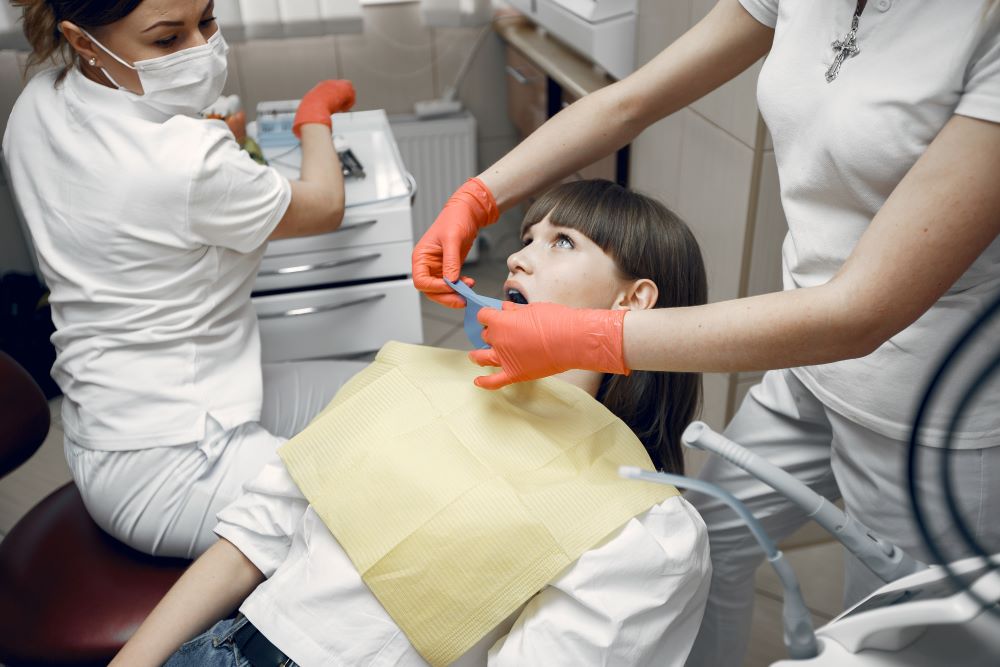
Dental emergencies often happen at night or on weekends. Pain can start suddenly and feel overwhelming. In those moments, searching for a dentist near you is often the first step people take to get quick help.
Knowing what to do right away can protect your teeth and reduce pain. While Emergency dentistry in Langley is available for serious problems, there are simple steps you can take at home until you are seen.
Immediate Steps for Common Dental Emergencies
Staying calm helps you think clearly. Try taking slow breaths and focusing on one step at a time. Acting quickly but carefully can prevent further damage. Below are simple steps for common dental problems that may help until you see a dentist.
Toothache
A toothache may be caused by decay, infection, grinding, or food stuck between teeth. Pain can range from mild to severe and may get worse when lying down.
What you can do:
- Rinse with warm salt water.
- Floss gently to remove trapped food.
- Take pain medicine as directed.
- Use a cold compress on the outside of your cheek.
Avoid very hot, cold, or sugary foods. Do not put medicine directly on your gums, as this can irritate them. If pain continues, spreads, or becomes severe, you need dental care as soon as possible.
Knocked out tooth
If a permanent tooth is knocked out, act fast. The first 30 to 60 minutes are very important.
What to do:
- Hold the tooth by the top, not the root.
- Rinse it gently with water without scrubbing.
- Try placing it back into the socket if possible.
- If that is not possible, store it in milk.
- Seek help right away.
Keep the tooth moist at all times. Quick action improves the chance of saving the tooth and avoiding further treatment.
Broken or chipped tooth
A broken tooth can feel sharp, rough, or sensitive. Even small chips can cause discomfort.
Steps to take:
- Rinse your mouth with warm water.
- Save any broken pieces if you can.
- Cover sharp edges with dental wax if needed.
- Avoid chewing on that side.
If there is swelling, apply a cold compress. Even small cracks should be checked to prevent infection or further damage.
Lost filling or crown
If a filling or crown falls out, the tooth may feel sensitive to air or temperature.
What you can do:
- Keep the area clean.
- Avoid chewing on that side.
- Save the crown if you have it.
- Use temporary dental cement if available.
Do not use household glue to fix it. Temporary solutions are only meant to protect the tooth until you see a dentist.
Injury to gums or lips
Cuts in the mouth can bleed more than expected because the area has many blood vessels.
What to do:
- Rinse gently with water.
- Press clean gauze on the area for several minutes.
- Use a cold compress outside the mouth.
If bleeding does not stop after steady pressure or if swelling increases, seek urgent care right away.
When to Seek Immediate Emergency Care
Some symptoms are severe and should not wait.
Get help right away if you have:
- Severe swelling in the face or jaw.
- Trouble breathing or swallowing.
- Bleeding that will not stop.
- High fever with dental pain.
- A strong injury to the head or jaw.
These signs may mean a serious infection or injury.
How to be prepared
Keeping a few basic items at home can help during emergencies.
Have ready:
- Gauze
- Salt
- A small container with a lid.
- Pain relief medicine.
- Your dental clinic contact number.
Being prepared reduces stress.
Preventing emergencies
Many dental emergencies begin as minor problems that were not treated early.
You can protect your teeth by:
- Brushing two times a day.
- Flossing daily.
- Wearing a mouthguard during sports.
- Staying away from very hard foods.
- Going for regular dental checkups.
Consistent care helps reduce the risk of sudden pain or injury.
Stay calm and take control
Dental pain can feel frightening, especially for children. Speak calmly and focus on one step at a time. Most emergencies can be treated successfully when they are handled promptly.
Knowing immediate steps for common dental emergencies helps you feel more prepared.
Get Help When You Need It
If you are dealing with sudden dental pain or injury, Cornerstone Dental Centre is ready to help. Contact us right away so you can feel better and protect your smile.
Frequently Asked Questions
What should I do for tooth pain at night?
Rinse with warm salt water, take pain medication as directed, and call your dentist as soon as possible.
Is a chipped tooth always urgent?
Small chips may not be urgent, but if they cause pain or have sharp edges, they should be checked promptly.
Is swelling in the face serious?
Yes. Swelling with pain or fever needs immediate attention.
What if my child knocks out a tooth?
Stay calm, follow the proper steps, and get dental care right away.