

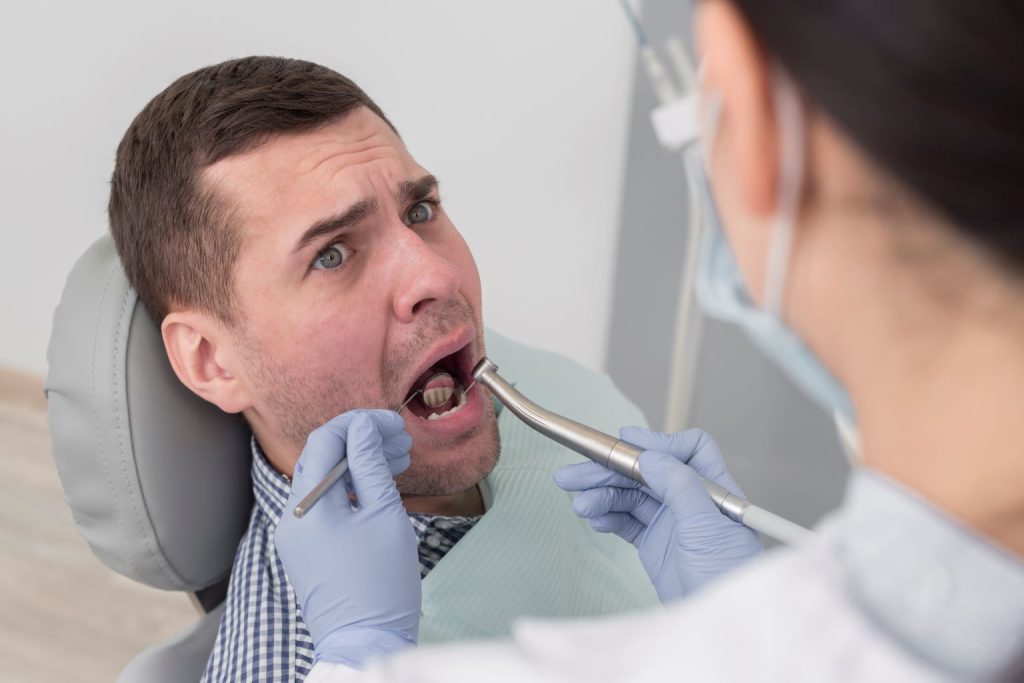
After your wisdom teeth extraction, it’s normal to experience some swelling, tenderness, and minor bleeding.
Most patients notice that discomfort peaks during the first 24 – 48 hours and gradually improves.
Following your dentist’s instructions closely is key to a smooth recovery.
Recovery Timeline
Recovery varies for each person, but here’s a general idea:
- First 24 hours: Swelling, minor bleeding, and soreness. Stick to soft foods and avoid straws.
- Days 2–3: Swelling may peak; pain usually starts to decrease.
- Days 4–7: Swelling goes down, and you can slowly return to normal foods.
- Weeks 2–3: Most of the healing occurs; soft tissue starts to close completely.
- Weeks 3–4: Full healing for most patients, though bone may take longer to settle.
Recovery Timeline by Tooth Type
Recovery time can also depend on which teeth were removed:
- Upper Wisdom Teeth: Heal faster and usually cause less discomfort.
- Lower Wisdom Teeth: Might lead to more swelling and soreness due to denser bone.
- Multiple Teeth Removal: Healing may take slightly longer, but recovery tips for multiple wisdom teeth removal can help manage discomfort.
Knowing the differences helps set realistic expectations for your healing process.
Recovery Tips for a Smoother Healing Process
Following these tips can make recovery easier and prevent complications:
- Rest and relax: Sleep helps your body heal faster.
- Eat soft foods: Yogurt, mashed potatoes, and soups are ideal.
- Stay hydrated: Avoid straws for the first few days to prevent dry socket.
- Use cold compresses: Reduce swelling during the first 24 hours.
- Take medications as prescribed: Pain relievers and antibiotics aid in comfort and infection prevention.
What are the Tips for Faster Healing
Certain lifestyle adjustments can improve recovery:
- Practice gentle oral hygiene to keep your mouth clean without disturbing the extraction site.
- Avoid strenuous exercise for several days after surgery to minimize swelling and bleeding.
- Elevate your head while sleeping to reduce swelling.
Even small changes in your daily routine can help your mouth heal faster.
When to Contact a Dentist
Some signs mean you should reach out to your dentist near you or oral surgeon:
- Severe or worsening pain beyond a few days
- Excessive bleeding that doesn’t stop
- Signs of infection such as fever or pus
- Numbness or tingling that persists
Prompt attention ensures that complications are treated quickly.
Smooth Recovery Starts With Knowledge
Recovering from wisdom teeth removal in Langley doesn’t have to be overwhelming. By understanding the timeline, following post-operative tips, and knowing when to contact your dentist, you can make your healing process as smooth and comfortable as possible.
Ready to schedule your consultation or follow-up? Contact Cornerstone Dental today to speak with a caring team that ensures your recovery is safe and stress-free.
Schedule your appointment with us today.
FAQs
- How long does it usually take to feel normal after wisdom teeth removal?
Most people feel better within a week, though complete healing can take 3–4 weeks.
- Can I eat normally right after surgery?
Stick to soft foods for the first few days. Gradually introduce solid foods as swelling and pain subside.
- Is swelling after wisdom teeth removal normal?
Yes, some swelling is normal and usually peaks in the first 2–3 days.
- How can I prevent dry socket after extraction?
Avoid straws, smoking, and vigorous rinsing in the first week to protect the blood clot in the socket.
- Can I take pain medication while recovering from wisdom teeth removal?
Yes, you should take medications for pain as described by the dentist. Remember to avoid an excessive dose and follow the instructions of the dentist.